 1st Floor, Willowbridge Centre, Carl Cronje Drive, Tyger Valley



- MetCon Silver Kilobar
A Beginner’s Guide to Buying Gold and Silver Bullion in South Africa

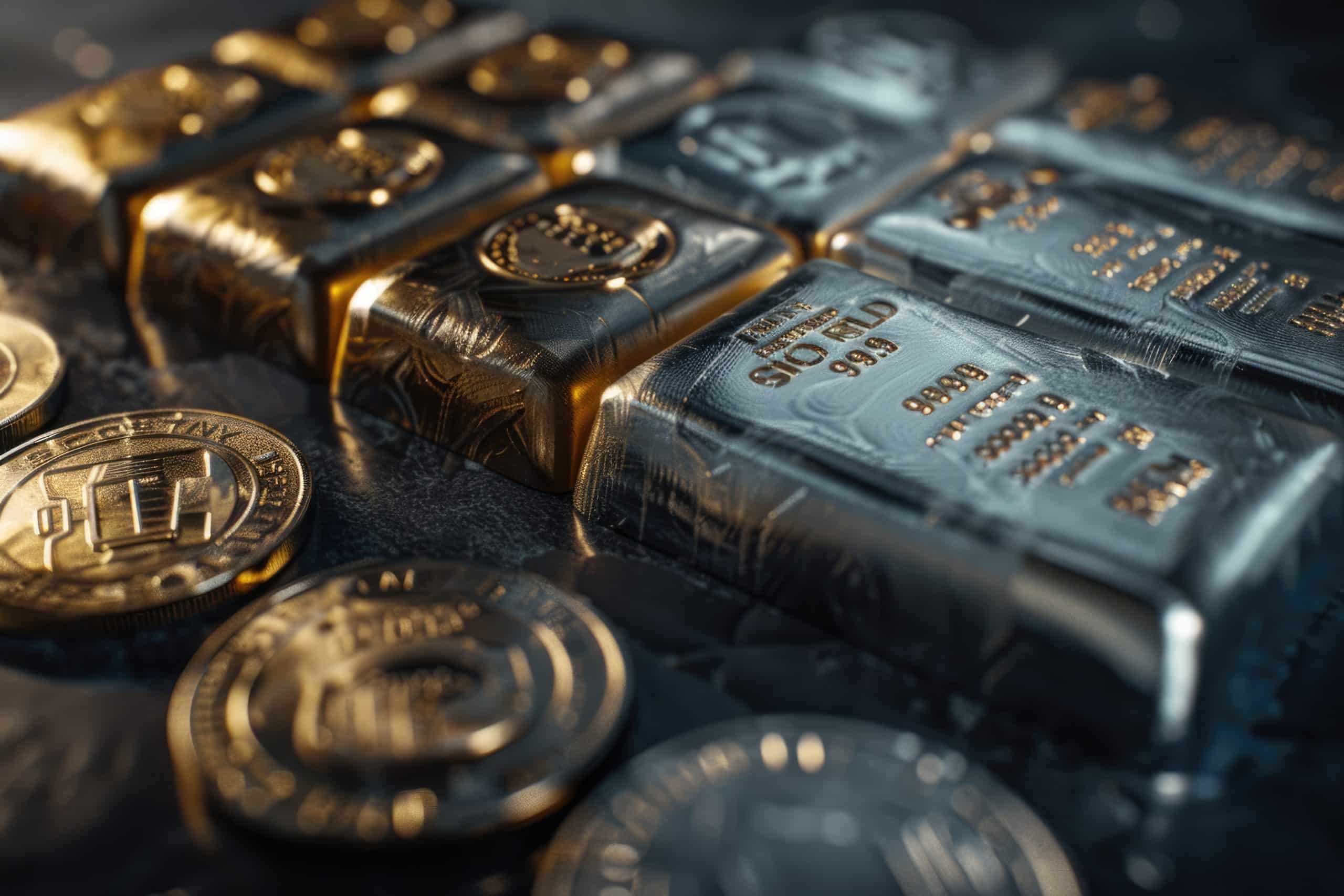
If you’ve read our guide on buying gold Krugerrands, you’re already familiar with one famous piece of bullion. But “bullion” covers a lot more ground than just Krugerrands. And if you’re new to precious metals, the terminology can get confusing fast. Bars, coins, proof, fineness, spot price. Where do you even start?
This guide breaks bullion down from the beginning. What it actually is, how gold bullion differs from silver bullion, how it’s priced, and how to buy your first piece safely in South Africa.
What Is Bullion?
Bullion is gold or silver in a form that’s valued for its metal content, not its design, rarity, or collectability. That’s the key distinction. A bullion coin or bar is worth roughly what its weight in gold or silver is worth on the open market, plus a modest premium to cover minting, distribution, and dealer margin.
This is different from proof coins. Which are valued for craftsmanship, limited mintage, and collector demand, sometimes far above their metal content. Bullion is the practical, no-frills way to hold physical gold and silver as an investment.
Bullion comes in two main forms:
- Bullion bars: cast or minted bars of gold or silver, ranging from a few grams to a kilogram or more.
- Bullion coins: coins like the Krugerrand, produced specifically for investment rather than collecting, though some are also legal tender.
Bullion Coins vs Bullion Bars vs Proof Coins
| Feature | Bullion Bars | Bullion Coins | Proof Coins |
| Primary purpose | Investment, lowest premium per gram | Investment, easy to trade in smaller units | Collecting and display |
| Valuation | Tracks spot price closely | Tracks spot price plus a small premium | Commands a high premium over metal value |
| Mintage | Ongoing, based on demand | Ongoing, based on demand | Strictly limited |
| Finish | Simple, functional | Standard matte finish, built to be handled | Mirror-polished, frosted detail |
| Best for | Larger investments, lowest cost per gram | First-time buyers, flexible resale | Dedicated collectors |
If your goal is investment rather than collecting, bars and standard bullion coins are almost always the better choice. We covered this exact comparison for Krugerrands specifically in our bullion vs proof coins guide. The same logic applies across gold and silver bullion generally.
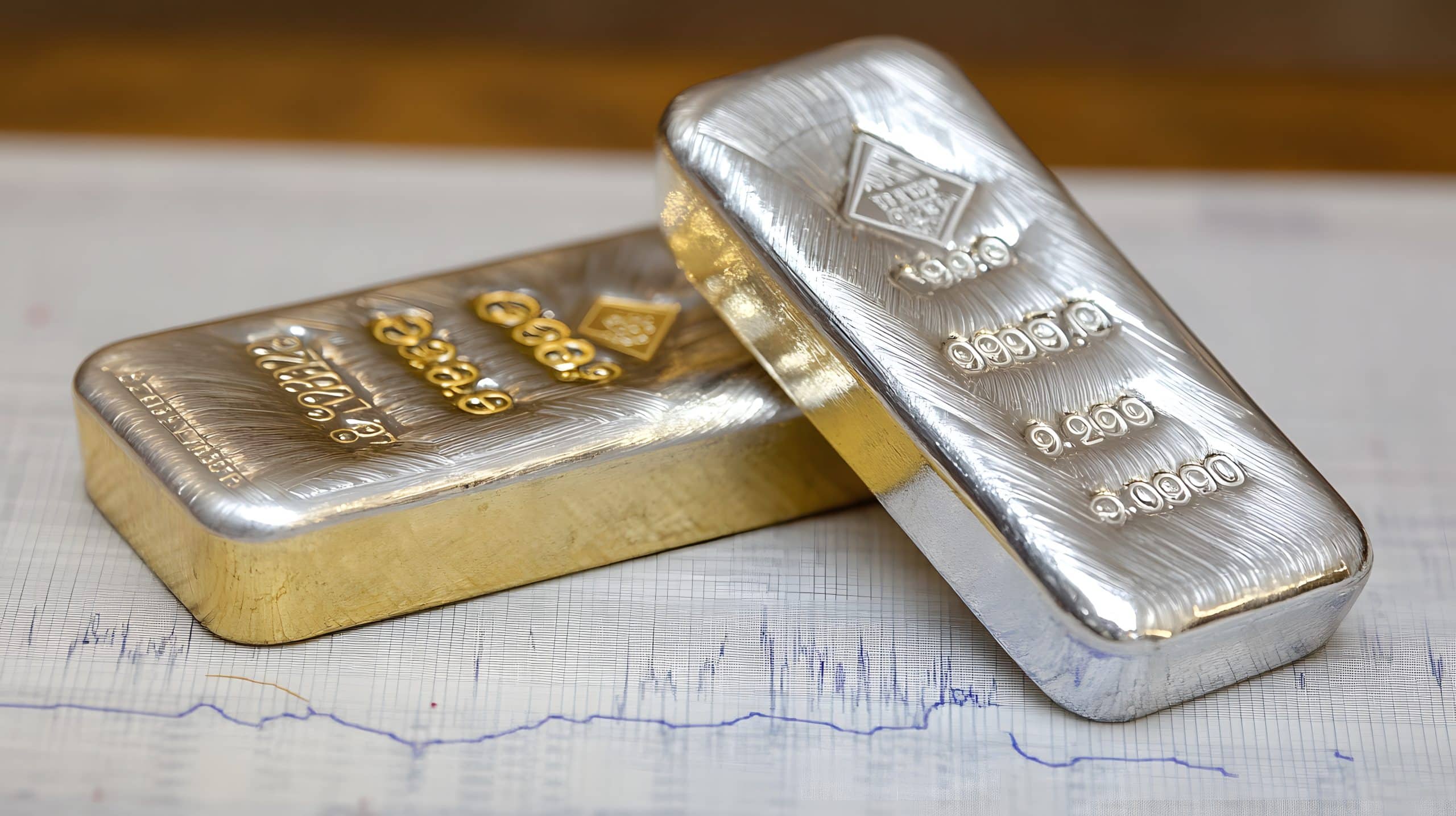
Gold Bullion vs Silver Bullion
Both are legitimate ways to hold precious metals, but they suit different investors.
Gold bullion holds its value well over time, moves less dramatically day to day, and is easier to store in meaningful value for its size. It’s the more established choice for long-term wealth preservation, which is why products like the gold Krugerrand and gold bars remain the most popular entry point for South African investors.
Silver bullion is more affordable per unit, which makes it accessible if you’re starting with a smaller budget or want to build your holdings gradually. It’s also more volatile than gold, partly because industrial demand (electronics, solar panels, medical use) plays a bigger role in its price. If you like the idea of physical metal ownership but aren’t ready for gold’s price tag, silver bars and silver Krugerrands are a sensible starting point.
Why South Africans Invest in Bullion
The core appeal doesn’t change much whether you’re looking at gold or silver. Bullion is a tangible asset that isn’t tied to any bank, company, or government promise. When the Rand weakens, or inflation erodes the value of cash. Bullion tends to hold its purchasing power because it’s priced against the global spot price of the metal, not the local currency alone.
It’s also simple to understand. You’re not relying on a company’s earnings or a fund manager’s strategy. You own the metal outright.
How Bullion Is Priced
Bullion pricing comes down to two things: the international spot price of the metal, and the ZAR/USD exchange rate. Dealers add a premium on top to cover minting, insurance, handling, and margin. This premium is usually smaller on bars than on coins, and smaller on standard bullion than on proof or limited editions.
You can check live pricing on our gold spot price and silver spot price pages before buying, so you always know roughly what you should be paying.
VAT and Tax on Bullion in South Africa
Gold Krugerrands are VAT-free because they’re legal tender, which is a major reason they’re the go-to choice for South African gold investors. Gold bars from accredited refiners typically qualify for the same treatment, but it’s worth confirming this with your dealer before you buy.
Silver bullion works differently. It’s subject to standard VAT in South Africa, which is reflected in the price you pay. That doesn’t make silver a bad choice, but it’s worth factoring into your budget and expected returns.
On the tax side, profit from bullion held as a long-term investment is generally treated as a capital gain. Frequent buying and selling to profit from short-term price movements may be taxed as income. As always, speak to a tax practitioner about your specific situation, and see SARS’s guidance on Capital Gains Tax for the official details.
How to Choose Your First Bullion Purchase
Your budget and goals should drive the decision:
- Smaller budget or just starting out? Fractional gold coins (1/10 oz, 1/4 oz) or silver bullion coins let you get started without a large outlay.
- Want the lowest premium per gram? Bars, gold or silver, generally offer better value than coins, though they’re less flexible to sell in small portions.
- Want maximum liquidity and easy resale? Standard 1 oz gold Krugerrands are hard to beat; they’re recognised worldwide and always in demand.
- Buying purely to collect? Consider proof coins, but understand you’re paying for rarity and craftsmanship, not metal value.
Where to Buy Bullion Safely in South Africa
Stick to authorised dealers and reputable financial institutions. This is non-negotiable, given how much fake and plated bullion circulates. Buying through Bullion Traders gives you:
- VAT-free gold purchasing, where applicable, so more of your money goes into metal.
- A fully online process: request a quote, pay securely, and receive your bullion via insured shipping.
- Local, Cape Town-based expertise on South African market conditions and pricing.
- High liquidity, since our bullion is easy to resell when you’re ready.
Browse our gold bars, gold Krugerrands, silver bars, and silver bullion coins to see current options.
Common Mistakes First-Time Bullion Buyers Make
- Confusing bullion with proof or collector coins and paying a large, unnecessary premium.
- Buying from unverified sellers to save a small amount, then risking a fake or plated coin.
- Not checking the live spot price before buying, which makes it hard to spot an unfair markup.
- Storing bullion insecurely at home without proper insurance or a rated safe.
- Treating bullion as a high-yield investment. It preserves wealth and hedges risk, but it doesn’t pay interest or dividends.
- Not planning an exit strategy, including how and where you’ll sell when the time comes.
In Conclusion
Bullion, whether gold or silver, bars or coins, is one of the most straightforward ways to hold real, tangible wealth outside the banking system. Once you understand the difference between bullion and proof, how pricing and VAT work, and how to buy from a trusted dealer, the rest is simple.
If you’re ready to take the next step, explore our full range of gold and silver bullion, or read our detailed guide on buying gold Krugerrands if a gold coin is where you’d like to start.